medical office policy and procedure manual pdf
Medical Office Policy and Procedure Manual: A Comprehensive Plan
This manual serves as a template for developing effective practice policies, ensuring consistent operations and adherence to legal standards within a medical setting.
This manual details the policies and procedures governing our medical practice, designed to ensure optimal patient care, regulatory compliance, and efficient operations. It provides a comprehensive framework for all staff members, outlining expectations and standardized protocols.
Regular review and updates are crucial, reflecting evolving best practices and legal requirements. This document aims to promote consistency, minimize errors, and foster a professional environment. Utilizing this guide will contribute to a smoothly functioning and legally sound practice, benefiting both patients and personnel.
II. Revision History & Control
Maintaining a detailed revision history is paramount for tracking changes to this manual, ensuring accountability, and facilitating audits. Each update will be documented with the version number, date, editor’s name, and a concise description of the modifications.
This log provides a clear audit trail, demonstrating adherence to best practices and regulatory requirements. Regular reviews, as noted, are essential to validate the manual’s continued relevance and accuracy, promoting consistent application of policies throughout the practice.
A. Version Control Log
A comprehensive Version Control Log meticulously records each revision made to this manual. This log includes the version number (e.g., 1.0, 1.1), the precise date of the edit, and the name of the staff member responsible for implementing the changes.
Crucially, each entry features detailed notes outlining the specific modifications, ensuring transparency and a clear understanding of the manual’s evolution over time, supporting consistent policy application.
B. Date of Last Review
Regular review is paramount to maintaining a current and compliant policy manual. This section explicitly states the date of the most recent comprehensive review of this document – currently noted as July 29, 2025, based on available resources.
Periodic reviews, at least annually, are essential to reflect changes in regulations, best practices, and internal operational adjustments, ensuring continued relevance and effectiveness.
III. Patient Registration & Intake Procedures
Efficient patient registration is crucial for a smooth practice flow and accurate record-keeping. New patient registration forms are utilized to gather essential demographic and medical history information.
A robust insurance verification process confirms coverage details prior to appointments, minimizing billing issues. These procedures ensure complete and accurate patient data, supporting quality care and compliant operations.
A. New Patient Registration Forms
Comprehensive new patient registration forms are essential for collecting vital information. These forms encompass demographic details, insurance coverage, medical history, and consent for treatment.
Patients complete these forms prior to their first appointment, ensuring staff has necessary data. Completed forms are reviewed for accuracy and completeness, initiating a thorough patient record. This process streamlines intake and supports informed clinical decisions.
B. Insurance Verification Process
Prior to service, insurance eligibility and benefits must be verified meticulously. This involves contacting insurance providers electronically or via phone to confirm coverage details, co-pay amounts, and any pre-authorization requirements.
Accurate verification minimizes billing errors and patient financial responsibility. Documentation of verification attempts and results is crucial for audit trails and claim resolution, ensuring smooth financial operations within the practice.
IV. Appointment Scheduling & Management
Efficient scheduling optimizes provider time and patient flow. Appointments are categorized by type and duration to allocate appropriate resources. Staff must accurately record patient demographics, insurance details, and reason for visit during booking.
Consistent application of the cancellation and no-show policy is vital for maximizing appointment availability and minimizing lost revenue, contributing to the practice’s financial stability and operational efficiency.
A. Appointment Types & Duration
Various appointment types cater to diverse patient needs. New patient evaluations typically require 60-90 minutes, including comprehensive history taking and physical examination. Follow-up visits are generally scheduled for 30 minutes, focusing on specific concerns.
Procedure-specific appointments vary in duration based on complexity; accurate time allocation ensures adequate provider time and minimizes patient wait times, enhancing overall satisfaction.
B. Cancellation & No-Show Policy
Patients are requested to provide at least 24-48 hours’ notice for appointment cancellations. Failure to do so may incur a fee, as outlined in the financial policy. No-shows, without prior notification, will also be subject to a similar charge, reflecting the lost resource time.
Repeated no-shows may result in dismissal from the practice, prioritizing access for patients who honor scheduled commitments.

V. Medical Records Management

Maintaining accurate and complete medical records is paramount, adhering to established documentation standards and charting protocols. All entries must be legible, dated, and signed by the provider, reflecting patient encounters comprehensively.
This practice is committed to strict HIPAA compliance, safeguarding patient privacy and confidentiality. Access to records is limited to authorized personnel, ensuring data security and legal adherence.
A. Documentation Standards & Charting Protocols
All clinical documentation will follow a standardized format, including subjective, objective, assessment, and plan (SOAP) notes. Entries must be concise, factual, and avoid ambiguous language, accurately portraying the patient’s condition.
Charting protocols dictate timely documentation, ideally concurrent with patient care. Corrections are made with a single line through the error, initialed and dated, preserving the original entry’s integrity and audit trail.
B. HIPAA Compliance & Patient Privacy
This practice strictly adheres to the Health Insurance Portability and Accountability Act (HIPAA) regulations, safeguarding Protected Health Information (PHI). Access to patient records is limited to authorized personnel with a legitimate need-to-know basis, documented through access logs.
Patient confidentiality is paramount; discussions regarding patient care occur in private settings. We maintain robust security measures—physical, administrative, and technical—to prevent unauthorized disclosure of PHI.
VI. Financial Policies & Billing Procedures
Our practice accepts various payment methods, including cash, checks, and major credit cards. Co-pay collection is expected at the time of service, as outlined by individual insurance plans. We diligently follow accurate coding and billing guidelines, ensuring compliance with payer requirements.
Patients are responsible for verifying their insurance coverage and understanding their financial obligations. Statements are issued monthly, and payment arrangements can be discussed for eligible cases.
A. Payment Methods & Co-pay Collection
We gladly accept cash, personal checks, Visa, Mastercard, American Express, and Discover as forms of payment. Co-pays are due at the time of service, and patients are responsible for knowing their insurance benefits. For patients without insurance, payment is expected upon rendering of services.
We offer payment plans on a case-by-case basis. Detailed receipts will be provided for all transactions, ensuring transparency and accurate record-keeping.
B. Coding & Billing Guidelines
All coding will adhere to the latest ICD-10-CM, CPT, and HCPCS Level II guidelines, ensuring accurate claim submissions. We prioritize precise documentation to support billed services, minimizing claim denials and maximizing appropriate reimbursement.

Regular audits will be conducted to verify coding accuracy and compliance. Staff will receive ongoing training on coding updates and best practices, maintaining a high standard of billing integrity.
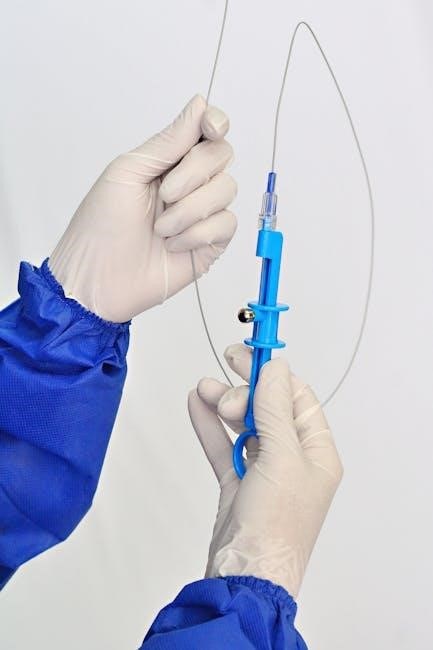
VII. Emergency Procedures & Protocols
Our practice maintains comprehensive emergency protocols, including detailed responses for medical emergencies like cardiac arrest or allergic reactions. Staff are trained in Basic Life Support (BLS) and emergency medication administration, ensuring swift and effective intervention.
A clearly defined fire safety and evacuation plan is posted throughout the office, with regular drills conducted to familiarize personnel with procedures. Emergency contact information is readily accessible to all staff members.

A. Medical Emergency Response
In a medical emergency, the primary focus is patient stabilization and immediate activation of emergency medical services (EMS). Designated staff members are responsible for assessing the situation, providing initial care, and documenting all interventions.
Protocols outline procedures for managing common emergencies, including anaphylaxis, seizures, and respiratory distress. Regular training ensures staff competency in utilizing emergency equipment and following established guidelines for optimal patient outcomes.
B. Fire Safety & Evacuation Plan
A comprehensive fire safety and evacuation plan is crucial for protecting patients and staff. This plan details procedures for fire prevention, alarm activation, and orderly evacuation routes, clearly marked throughout the facility.
Regular fire drills are conducted to ensure familiarity with the evacuation process. Designated personnel are responsible for assisting patients with mobility limitations and verifying complete evacuation of all areas, adhering to local fire codes.
VIII. Infection Control & Safety
Maintaining a safe and hygienic environment is paramount. This section outlines strict protocols for sterilization and disinfection of medical instruments and surfaces, minimizing the risk of healthcare-associated infections.
Detailed procedures cover hand hygiene, personal protective equipment (PPE) usage, and proper disposal of biohazardous waste, aligning with CDC guidelines. Regular training ensures all staff members understand and implement these critical infection control measures effectively.
A. Sterilization & Disinfection Protocols
Comprehensive guidelines detail instrument processing, from cleaning to high-level disinfection and sterilization. Specific procedures address autoclave operation, biological indicator monitoring, and documentation requirements, ensuring instruments are safe for patient use.
Surface disinfection protocols specify approved disinfectants, contact times, and frequency of cleaning for various areas within the office. Regular audits verify adherence to these protocols, maintaining a consistently sterile and safe clinical environment.
B. Exposure Control Plan

This plan outlines procedures to minimize or prevent employee exposure to bloodborne pathogens and other potentially infectious materials. It details engineering controls like sharps containers, work practice controls such as proper needle handling, and personal protective equipment (PPE) requirements.
Post-exposure protocols, including immediate first aid, reporting procedures, and follow-up medical evaluation, are clearly defined. Annual training ensures all staff understand and comply with exposure control measures, safeguarding employee health.
IX. Personnel Policies & Employee Conduct
This section details expectations for all staff, encompassing the employee handbook and a strict code of ethics promoting integrity and patient-centered care. It outlines guidelines for professional conduct, emphasizing respectful communication and teamwork.
Specific policies address attendance, performance evaluations, and disciplinary actions. A clearly defined dress code ensures a professional appearance, fostering trust with patients and maintaining a positive practice environment.
A. Employee Handbook & Code of Ethics
The comprehensive employee handbook details all aspects of employment, including rights, responsibilities, and benefits, ensuring transparency and legal compliance. A robust code of ethics guides staff in upholding the highest standards of professional conduct, prioritizing patient well-being and confidentiality.
This includes conflict of interest policies, reporting procedures for unethical behavior, and a commitment to non-discrimination, fostering a respectful and inclusive workplace.
B. Dress Code & Professionalism
Maintaining a professional appearance is paramount in a medical setting, instilling patient confidence and reflecting the practice’s commitment to quality care. The dress code outlines acceptable attire, emphasizing cleanliness, modesty, and safety – scrubs, professional business attire, and appropriate footwear are typically required.
Professional conduct extends beyond appearance, encompassing respectful communication, punctuality, and adherence to ethical guidelines in all interactions.
X. Scope of Services
Our practice provides a comprehensive range of diagnostic and therapeutic services commonly furnished in a medical office, focusing on preventative care and chronic disease management. This includes, but isn’t limited to, physical examinations, vaccinations, laboratory testing, and minor surgical procedures.
We strive to deliver coordinated, patient-centered care, adapting services to meet individual needs and referring to specialists when necessary.
XI. Procedure Specific Protocols
Detailed protocols guide each procedure performed within our practice, ensuring consistent quality and patient safety. These protocols encompass pre-procedure preparation, step-by-step execution, and post-procedure monitoring, all documented meticulously.
Chart review is crucial before any procedure, alongside secure transfer of medical history from previous practices, guaranteeing informed decision-making and continuity of care for all patients.
A. Chart Review Protocols
Prior to each patient encounter and procedure, a comprehensive chart review is mandatory. This includes verifying patient demographics, allergies, current medications, and relevant medical history to ensure accurate and safe care.
Protocols dictate a systematic review of past diagnoses, lab results, and imaging reports, confirming the correct procedure is selected and potential contraindications are identified proactively.

B. Medical History Transfer Procedures

When a patient transfers medical records from a previous practice, a designated staff member will promptly integrate this information into the existing electronic health record (EHR).
This process involves verifying the completeness of the record, addressing any missing information with the prior provider, and ensuring all data is accurately transferred and accessible for clinical decision-making, supporting continuity of care.

XII. Policy Templates & Adaptation
Recognizing the unique needs of each practice, this manual provides adaptable policy templates as a foundational reference point.
These templates are designed to be customized to reflect specific workflows, state regulations, and the scope of services offered. Practices should carefully review and modify each template, ensuring alignment with their operational environment and legal obligations, fostering a compliant and efficient practice.
XIII. Legal & Regulatory Compliance
Maintaining strict adherence to all applicable federal and state laws is paramount within a medical practice.
This section emphasizes the importance of incorporating current regulations, particularly concerning patient privacy (HIPAA), billing practices, and medical record documentation. Regular updates and legal counsel review are crucial to ensure ongoing compliance, mitigating potential risks and safeguarding both the practice and its patients.
XIV. Quality Assurance & Improvement
A commitment to continuous improvement is essential for delivering exceptional patient care and maintaining a thriving practice.
This section details processes for monitoring key performance indicators, conducting regular chart reviews, and addressing identified deficiencies. Implementing feedback mechanisms from patients and staff fosters a culture of quality, ensuring services consistently meet or exceed established standards and regulatory expectations, ultimately enhancing patient outcomes.
XV. Communication Protocols
Effective communication is paramount for seamless operations and positive patient experiences within the medical office.
This section outlines procedures for internal communication amongst staff, ensuring timely information exchange regarding patient care and administrative tasks. It also details protocols for external communication, including patient correspondence, phone etiquette, and secure messaging, all adhering to HIPAA guidelines to maintain patient confidentiality and foster clear understanding.
XVI. Security Protocols
Maintaining the security of patient data and the physical premises is a critical responsibility of the medical office.
These protocols detail procedures for safeguarding Protected Health Information (PHI) in compliance with HIPAA regulations, encompassing access controls, data encryption, and regular security audits. Physical security measures, including alarm systems, visitor management, and restricted access areas, are also outlined to protect against unauthorized entry and potential threats, ensuring a safe environment.
XVII. Manual Updates & Distribution
This manual requires periodic review and updates to reflect changes in regulations, best practices, and office procedures.
A designated individual will oversee the revision process, maintaining a version control log documenting all changes and dates of review. Updated manuals will be distributed to all staff members, with confirmation of receipt obtained. Electronic access, coupled with printed copies, ensures accessibility and promotes consistent adherence to established policies throughout the practice.