honda prelude manual gearbox
The Honda Prelude, a sporty coupe, returns in 2026, sparking debate over its transmission – specifically, the absence of a manual option, a historical staple․
Brief Overview of the Honda Prelude
The Honda Prelude boasts a rich history, first appearing in 1978 as a stylish, two-door coupe intended to bridge the gap between the Civic and the Accord․ Throughout its five generations, the Prelude cultivated a reputation for its sporty handling, innovative features, and sleek design․ It quickly became a favorite among driving enthusiasts, offering a compelling blend of performance and practicality․
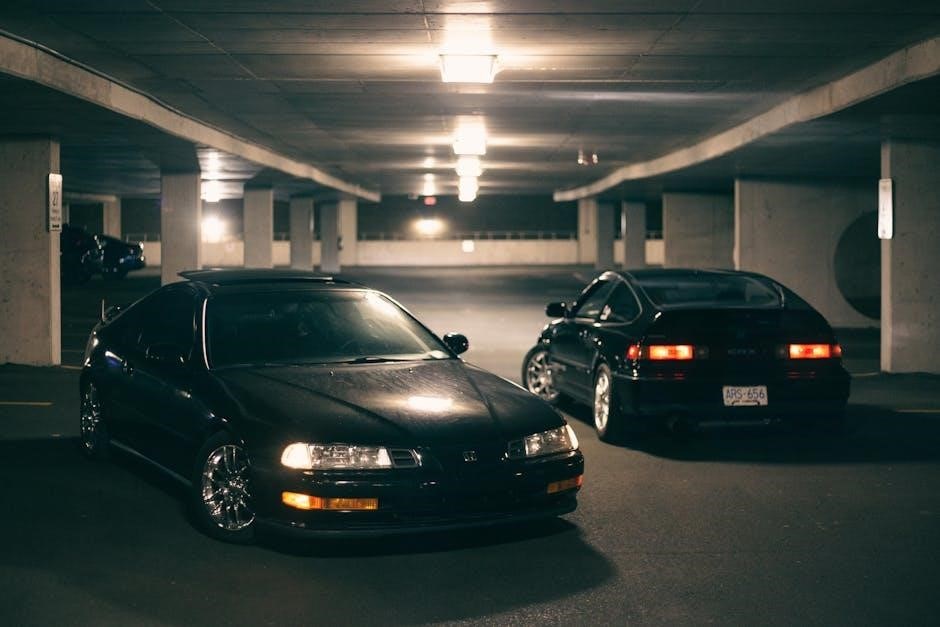
Early models focused on front-wheel drive and a relatively lightweight chassis, emphasizing nimble cornering․ Later iterations introduced more powerful engines and advanced technologies, solidifying the Prelude’s position as a formidable competitor in the sports coupe segment․ The car’s appeal rested heavily on its engaging driving experience, a characteristic now being questioned with the latest model’s transmission choice․
Evolution of Gearbox Options Across Generations
Throughout its lifespan, the Honda Prelude offered a variety of gearbox options, catering to different driver preferences․ Early models primarily featured 5-speed manual transmissions, providing a direct connection and engaging driving experience․ As the Prelude evolved, 4-speed automatics became available, offering convenience for everyday driving․
Later generations saw the introduction of more sophisticated transmissions, including 6-speed manuals in some markets, enhancing performance and refinement․ These manual options were particularly popular among enthusiasts who appreciated the control and responsiveness they provided․ However, automatic transmissions continued to be offered alongside the manuals, broadening the Prelude’s appeal․ The current 2026 model marks a significant departure from this tradition, exclusively offering an eCVT․
Why the 2026 Honda Prelude Lacks a Manual Transmission
The 2026 Honda Prelude’s exclusive eCVT is due to its advanced hybrid powertrain; a manual isn’t compatible with this efficient system․
The eCVT System Explained
Honda’s eCVT (electronic Continuously Variable Transmission) differs significantly from traditional automatics or manuals․ It doesn’t rely on gears, instead utilizing an electric motor to seamlessly adjust the drive ratio․ This system prioritizes efficiency and smooth power delivery, crucial for maximizing the hybrid powertrain’s potential․ Essentially, it functions as a power-split device, intelligently managing the flow between the engine and electric motor․
Unlike a conventional CVT with belts and pulleys, the eCVT employs an electric motor generator to simulate gear changes, offering a more responsive and engaging feel than some CVTs․ However, this inherent design makes direct mechanical linkage – required for a manual transmission – impossible․ The eCVT is integral to the Prelude’s hybrid system, optimizing fuel economy and reducing emissions, a core focus for Honda․
Hybrid Powertrain Compatibility Issues
Integrating a manual transmission with the 2026 Prelude’s hybrid powertrain presents substantial engineering challenges․ The system’s seamless interplay between the engine and electric motor is optimized for the eCVT’s operation․ A manual gearbox would disrupt this delicate balance, hindering the hybrid’s efficiency gains․ Precise torque management, vital for a smooth hybrid experience, becomes significantly more complex with a traditional clutch and gear system․
Furthermore, the electric motor frequently provides instant torque, a characteristic ill-suited to the engagement and disengagement cycle of a manual clutch․ Attempting to synchronize these elements would likely result in a jerky, less refined driving experience, negating the benefits of the hybrid setup․ Honda emphasizes the hybrid’s inherent strengths, making a manual impractical․
Honda’s Official Stance on Manual Availability
Honda has definitively stated that the 2026 Prelude will not be offered with a manual transmission․ The automaker consistently reinforces this position, citing the complexities of pairing a manual gearbox with the vehicle’s advanced hybrid powertrain․ They’ve explained that the eCVT is integral to maximizing the hybrid system’s efficiency and delivering a refined driving experience․
Despite acknowledging the disappointment among driving enthusiasts, Honda maintains that a manual isn’t feasible without compromising the core strengths of the Prelude’s design․ The focus remains on leveraging the hybrid technology to provide a unique and engaging driving character, achieved through the eCVT’s smooth and responsive operation․ No future plans for a manual option have been indicated․
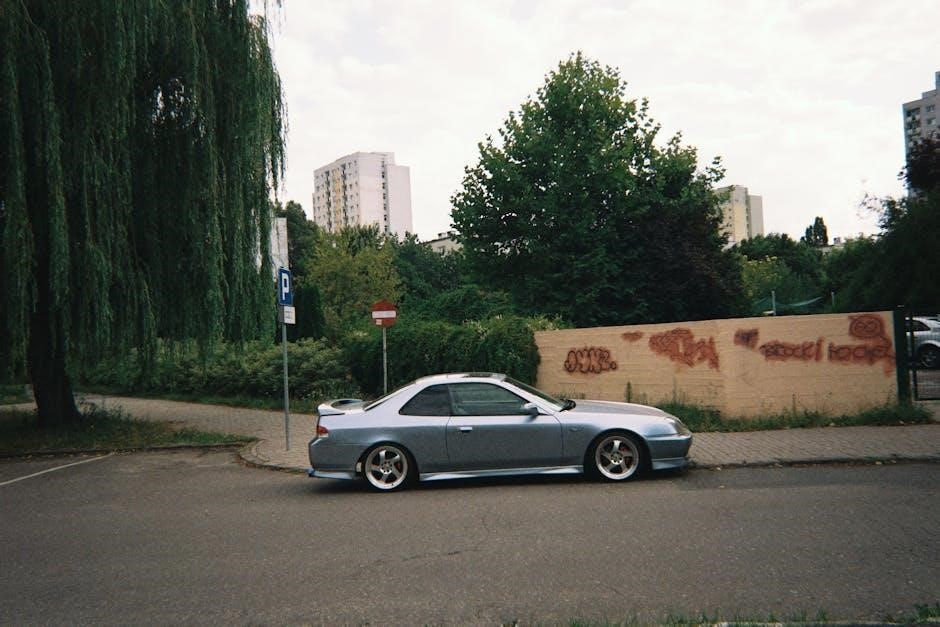
Technical Challenges of Integrating a Manual with the Prelude’s Hybrid System
Synchronizing the electric motor and engine with a manual gearbox presents significant hurdles, impacting torque delivery, clutch engagement, and overall system harmony․
Torque Delivery and Clutch Engagement
The core issue lies in blending the instant torque of the electric motor with the conventional torque curve of the gasoline engine, a challenge for manual clutch operation․ A traditional manual relies on a driver’s skill to smoothly engage the clutch and manage torque transfer, but the Prelude’s hybrid system delivers power in a fundamentally different way․
Predictable engagement becomes difficult when the electric motor can provide significant torque at zero RPM․ This creates a scenario where clutch slip could be excessive, leading to wear and tear, or abrupt engagement, resulting in a jerky driving experience․ Honda’s eCVT manages this seamlessly, offering a continuously variable ratio that optimizes power delivery without the need for a traditional clutch․
Essentially, the hybrid powertrain’s inherent characteristics clash with the mechanical requirements of a manual transmission, making integration exceptionally complex․
Engine and Electric Motor Synchronization
Achieving seamless synchronization between the gasoline engine and electric motor is paramount in a hybrid system, and a manual transmission complicates this significantly․ The eCVT excels at precisely coordinating power delivery from both sources, optimizing efficiency and responsiveness․ Introducing a manual gearbox would necessitate a complex control system to manage the interplay between the engine, motor, and driver input․
Maintaining smooth transitions during engine start/stop cycles, or when blending electric boost with internal combustion, becomes far more challenging with a driver-operated clutch․ The eCVT’s electronic control unit handles these transitions flawlessly, something a mechanical linkage simply cannot replicate without substantial compromise․
Honda prioritizes a refined driving experience, and the eCVT delivers that consistency, something a manual would struggle to achieve in this hybrid configuration․
Impact on Fuel Efficiency and Emissions
The 2026 Honda Prelude’s hybrid powertrain is engineered for maximum fuel efficiency and minimal emissions, a goal potentially undermined by a manual transmission․ Manual gearboxes, while engaging for drivers, inherently offer less precise control over engine operation compared to an eCVT․
The eCVT continuously adjusts gear ratios to keep the engine operating within its most efficient range, maximizing fuel economy and reducing emissions․ A manual relies on driver skill and selection, potentially leading to less optimal engine speeds and increased fuel consumption․
Honda’s commitment to environmental responsibility likely factored heavily into the decision, prioritizing the eCVT’s efficiency benefits over the appeal of a traditional manual gearbox․
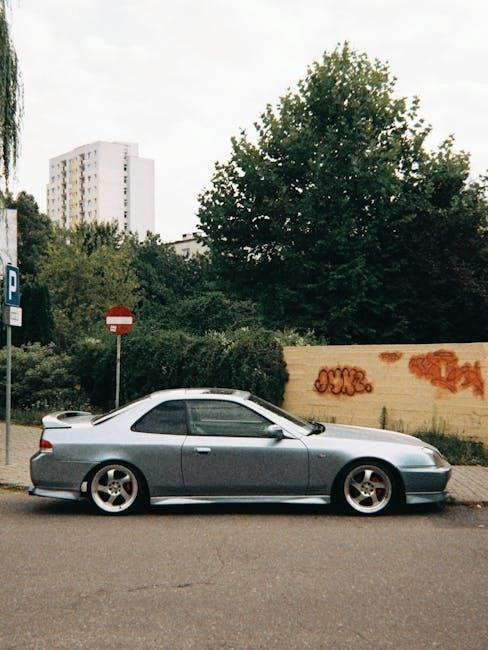
Disappointment Among Driving Purists
Enthusiasts lament the lack of a manual transmission in the 2026 Prelude, believing a stick-shift is essential for a true sporty coupe experience and driver connection․
The Appeal of Manual Transmissions in Sporty Coupes
For decades, manual transmissions have been intrinsically linked to the driving experience in sporty coupes like the Honda Prelude․ The appeal stems from a heightened sense of control, allowing drivers to directly engage with the vehicle’s power and performance․ This direct connection fosters a more immersive and rewarding driving experience, particularly on winding roads or during spirited driving sessions․
Many purists argue that a manual gearbox enhances driver skill and involvement, demanding precise timing and coordination․ The ability to select the optimal gear for any given situation provides a level of customization and responsiveness that automatic transmissions, even advanced ones, often struggle to replicate․ This tactile feedback and sense of mastery contribute significantly to the enjoyment derived from driving a performance-oriented vehicle․
Furthermore, the tradition of offering manual transmissions in sporty coupes has created a strong emotional connection with enthusiasts, representing a commitment to driving purity and a rejection of overly automated systems․
Community Reaction to the eCVT-Only Decision
The announcement that the 2026 Honda Prelude would exclusively feature an eCVT transmission ignited a firestorm of disappointment within the car enthusiast community․ Online forums and social media platforms quickly filled with expressions of frustration and dismay, with many lamenting the loss of a manual option․ A significant portion of potential buyers voiced their belief that a manual gearbox was essential to truly capture the spirit of the Prelude․
Many enthusiasts argued that the eCVT, while efficient, diminishes the engaging driving experience that the Prelude historically offered․ The lack of a manual was perceived as a compromise of the car’s sporty character, and a missed opportunity to cater to a dedicated segment of drivers․ Some even expressed reluctance to purchase the vehicle due to this limitation․
Despite Honda’s explanations regarding hybrid powertrain compatibility, the community’s desire for a manual remains strong․
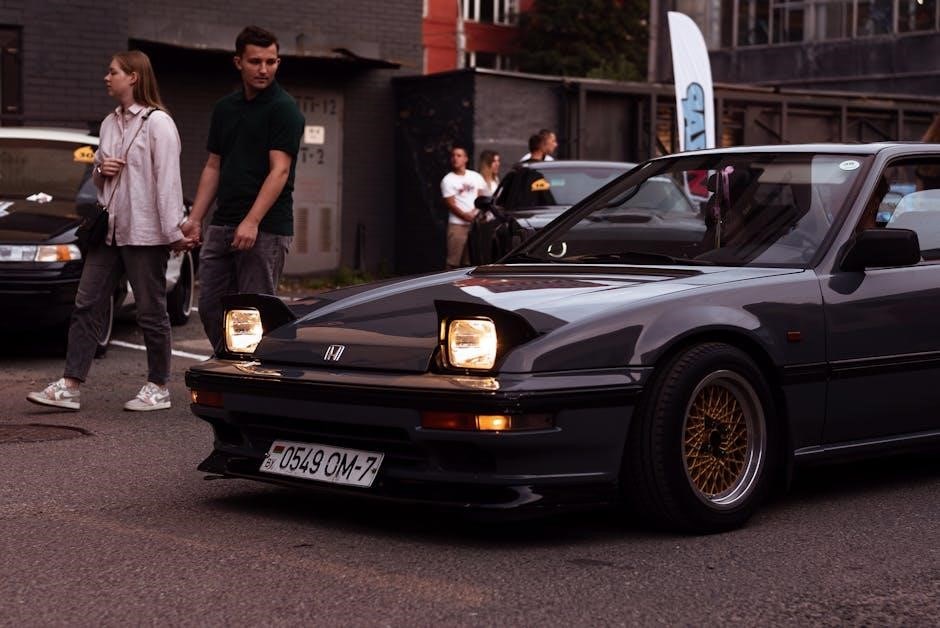
Exploring Alternatives to a Traditional Manual
Paddle shifters offer a simulated gear-changing experience, potentially bridging the gap for drivers seeking more control than a standard automatic provides in the Prelude․
Paddle Shifters and Simulated Gear Changes
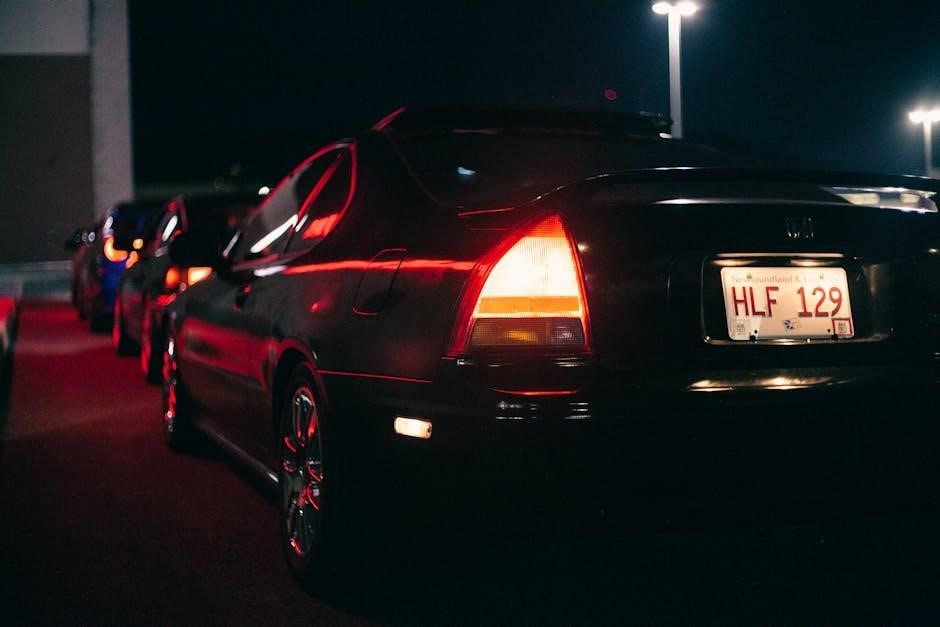
While not a true manual, paddle shifters in the 2026 Honda Prelude’s eCVT system attempt to replicate the engagement and control enthusiasts desire․ These allow drivers to manually select “gear” ratios within the continuously variable transmission’s range, offering a more interactive driving experience․ However, it’s crucial to understand this isn’t the same as a traditional gearbox; it’s a simulation․
The system mimics fixed gear steps, providing a sense of responsiveness often missing in conventional CVTs․ Honda’s implementation aims to satisfy those who enjoy a more involved driving feel without the complexities of a full manual transmission․ Despite this effort, many purists remain unconvinced, arguing that the experience lacks the direct mechanical connection and nuanced control of a true stick shift; The effectiveness of these simulated shifts will ultimately depend on how well Honda has tuned the system to feel natural and engaging․
The Potential for Future Manual-Like Technologies
Beyond current paddle shifter solutions, the automotive industry is exploring technologies that could bridge the gap between automatics and manuals․ These include advanced software algorithms capable of predicting driver intent and proactively selecting optimal “gear” ratios, creating a highly responsive and intuitive experience․ Some concepts involve fully automated clutch systems paired with electronic gear selection, offering the convenience of an automatic with the feel of a manual․
Further down the line, direct-drive systems or electronically controlled continuously variable transmissions with enhanced haptic feedback could convincingly mimic the sensation of shifting gears․ While these technologies are still in development, they represent a potential path for Honda – and other manufacturers – to cater to driving enthusiasts in a future increasingly dominated by automated transmissions․ The key will be replicating the engagement and control that define the manual driving experience․
Historical Manual Gearbox Options in Previous Honda Preludes
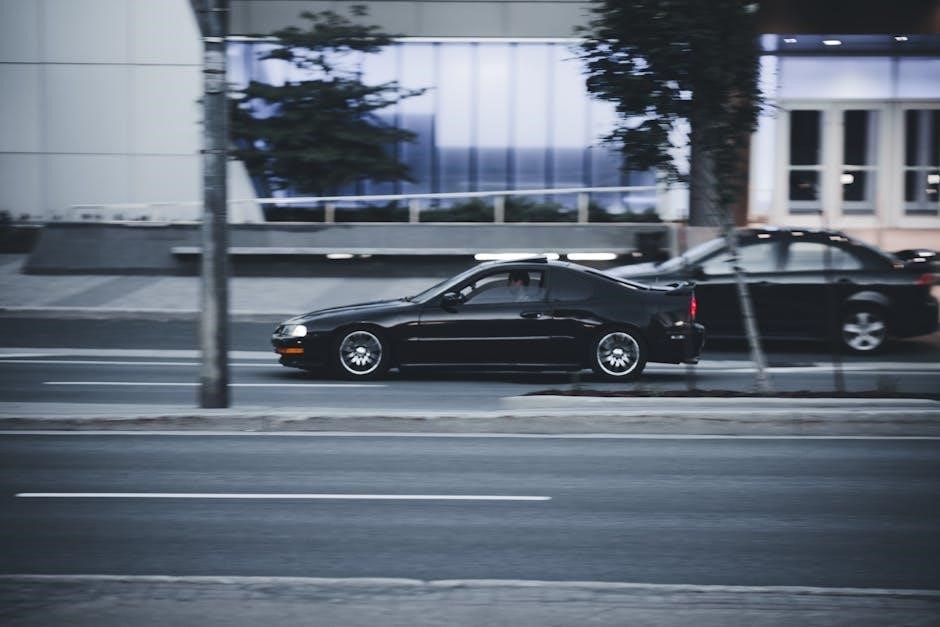
Past Preludes frequently featured 5- and 6-speed manual transmissions, beloved for their precise shifts and engaging driving experience, now absent in the 2026 model․
Popular Manual Transmission Models (e․g․, 5-Speed, 6-Speed)
Throughout the Honda Prelude’s history, several manual transmissions gained popularity among enthusiasts․ The 5-speed manual was a mainstay in earlier generations, known for its robust build and relatively simple mechanics, offering a direct connection to the engine․ Later models, particularly the fourth and fifth generations, embraced the 6-speed manual, providing closer gear ratios for enhanced performance and a more refined driving experience․
The 6-speed offered smoother transitions and allowed drivers to keep the engine within its optimal power band more effectively․ Specific models like the 1997-2001 Prelude SH, equipped with the H22A engine, were particularly sought after with the 6-speed, becoming a benchmark for sporty front-wheel-drive cars․ These transmissions weren’t just about speed; they contributed significantly to the Prelude’s reputation for driver engagement and fun․
Common Issues and Maintenance of Older Prelude Manuals
Older Honda Prelude manual transmissions, while generally reliable, exhibit certain common issues with age and use․ Synchro wear, particularly in 2nd and 3rd gear, is frequently reported, leading to grinding during shifts․ Clutch master and slave cylinder failures are also prevalent, resulting in difficulty engaging gears or a soft pedal feel․ Oil leaks from the rear main seal and input/output shafts are common occurrences, requiring periodic attention․
Regular maintenance is crucial for longevity․ Fluid changes using the correct Honda-specified gear oil (often a GL-4 type) every 30,000 miles are essential․ Inspecting and replacing worn shift bushings improves shift precision․ Addressing any oil leaks promptly prevents further damage․ Proactive maintenance, alongside careful driving habits, ensures these classic transmissions continue to deliver engaging performance for years to come․
The Aftermarket and Potential Manual Swaps (Challenges & Considerations)
Manual conversions are technically feasible, but complex and costly; requiring custom fabrication, ECU tuning, and sourcing compatible components for the 2026 Prelude․
Feasibility of Manual Conversions
While a manual swap isn’t impossible for the 2026 Honda Prelude, it presents significant hurdles․ The core issue lies in the integration with the hybrid powertrain, designed exclusively around the eCVT․ Adapting a traditional manual gearbox requires substantial modification to the engine and motor control units, essentially rewriting the car’s operating system․
Finding a compatible transmission – bellhousing patterns, input shaft splines, and overall dimensions – from another Honda model is a starting point, but rarely a direct fit․ Custom driveshafts, a modified pedal assembly, and a complete rewiring harness are almost guaranteed necessities․ Furthermore, ensuring proper torque delivery and synchronization between the engine and electric motor with a manual system is a complex engineering challenge, potentially impacting the hybrid’s efficiency․
Cost and Complexity of Swapping Transmissions
Attempting a manual transmission swap on the 2026 Honda Prelude is a deeply involved and expensive undertaking․ Beyond the cost of a donor transmission – potentially sourced from a different Honda model and requiring significant modification – labor costs will quickly escalate․ Expect to invest several thousand dollars, easily exceeding $5,000, and potentially reaching $10,000 or more, depending on the extent of customization needed․
The complexity stems from the hybrid system’s integration․ Custom fabrication of mounting brackets, driveshafts, and potentially even the transmission tunnel may be required․ Software recalibration is crucial, demanding specialized expertise․ The risk of unforeseen issues and compatibility problems is high, potentially leading to further expenses and delays․ It’s a project best left to highly skilled and experienced automotive technicians․
The 2026 Honda Prelude’s eCVT-only configuration signals a broader trend within Honda, prioritizing efficiency and hybrid technology over traditional manual gearboxes․ While driving purists lament the loss of driver engagement, the automaker’s focus appears firmly set on electrified powertrains․
It’s unlikely we’ll see a widespread return to manual transmissions in Honda’s future models, particularly those embracing hybrid or electric systems․ The technical challenges and the pursuit of optimal fuel economy and emissions reductions are significant hurdles․ However, Honda might explore advanced technologies – like sophisticated paddle-shifting systems – to offer a more engaging driving experience, bridging the gap between automation and driver control․ The future leans towards automated driving experiences․