rite of christian initiation of adults pdf
The Rite of Christian Initiation of Adults (RCIA): A Comprehensive Overview
RCIA is a process for adults seeking full Catholic communion, or returning Catholics; readily available PDF guides detail this journey of faith and formation.

Historical Development of the RCIA
Historically, the roots of the RCIA trace back to the early Church’s practices of initiating new believers. This wasn’t a swift process, but a carefully structured period of evangelization, catechesis, and spiritual formation. Early Church Fathers documented a lengthy catechumenate, lasting years, involving distinct stages of inquiry, purification, and enlightenment.
Over time, these practices evolved, and with the decline of adult baptisms, the process diminished. However, the Second Vatican Council (1962-1965) called for a restoration of the catechumenate, recognizing its value in fostering deeper faith and understanding. This led to the promulgation of the Rite of Christian Initiation of Adults in 1972, with subsequent revisions and translations, often available as PDF documents for study and implementation. These PDF resources provide a detailed look at the historical context and theological underpinnings of the RCIA.
The Catechumenate: Ancient Roots
The term “catechumenate” originates from the Greek word meaning “to echo down,” signifying the transmission of the faith. In the early Church, it represented a formalized, multi-year process for adult converts. Prospective believers, the catechumens, underwent rigorous instruction in Christian doctrine, morality, and liturgical practices. This wasn’t merely intellectual; it involved spiritual discernment and communal support.
PDF guides detailing the RCIA often emphasize this ancient structure, highlighting the importance of a gradual initiation. The ancient catechumenate included distinct phases: the pre-catechumenate (inquiry), the catechumenate proper (formal instruction), purification and enlightenment, and finally, the reception of the sacraments. Studying historical texts, often accessible in PDF format, reveals a profound emphasis on conversion of heart and a lived experience of faith, rather than simply rote memorization.
Restoration of the Catechumenate
Following the Second Vatican Council, a desire arose to revitalize adult initiation, moving away from a primarily childhood-focused sacramental preparation. The RCIA, formally instituted in 1988 with the publication of Christian Initiation, represents this restoration. It sought to recapture the depth and holistic nature of the ancient catechumenate, adapting it to modern circumstances.
Numerous PDF resources now document this renewal, outlining the revised rites and processes. The restoration wasn’t simply a return to the past, but a thoughtful adaptation. Emphasis shifted towards evangelization, ongoing conversion, and a more participatory role for the entire parish community. PDF guides often stress the need for parishes to embrace this change, recognizing that successful implementation requires a commitment to formation for all involved – catechists, sponsors, and clergy alike. The goal is a truly transformative journey of faith.

The Four Stages of the RCIA Process
RCIA’s four stages – inquiry, catechumenate, purification, and mystagogy – are detailed in PDF guides, fostering a gradual, transformative journey toward full Catholic initiation.
Pre-Catechumenate (Evangelization & Inquiry)

The pre-catechumenate, the initial stage of the RCIA process, centers on evangelization and inquiry, a period of gentle introduction to the Catholic faith. Individuals explore their faith questions and learn about Catholic beliefs and practices, often through informal settings and personal testimonies. Many parishes offer introductory sessions and discussions, providing a welcoming space for those curious about Catholicism.
PDF resources frequently outline this stage, emphasizing the importance of sharing personal stories and addressing common misconceptions. This phase isn’t formal instruction, but rather a nurturing environment where potential candidates can discern God’s call in their lives. It involves introducing parish life and fostering a sense of community. The goal is to spark interest and encourage further exploration, ultimately leading to a request for acceptance into the Order of Catechumens. Detailed RCIA PDF guides often include sample inquiry questions and suggested discussion topics for this crucial first step.
Catechumenate (Formal Instruction)
The Catechumenate represents the core of formal instruction within the RCIA process. Here, candidates – now known as catechumens – delve deeply into the teachings of the Catholic faith, encompassing scripture, doctrine, morality, and prayer. This stage typically unfolds over several months, often a year, involving weekly sessions led by trained catechists.
Numerous PDF guides detail the curriculum for this phase, outlining key topics and suggesting pedagogical approaches. Emphasis is placed not just on what the Church teaches, but why – fostering a genuine understanding and personal appropriation of the faith. Catechumens participate in liturgical celebrations, gradually becoming more familiar with the rhythms of the Church’s year. RCIA PDF materials often include reflection questions and opportunities for spiritual direction, supporting the catechumens’ ongoing conversion and discernment. This structured learning prepares them for the sacraments of initiation.
Purification and Enlightenment
Purification and Enlightenment is a pivotal stage in the RCIA, occurring during Lent. It’s a time of intense spiritual preparation for receiving the sacraments of initiation – Baptism, Confirmation, and Eucharist. This phase involves several Scrutinies, solemn rites where the Church intercedes for the catechumens, seeking God’s grace to strengthen them and deliver them from sin.
RCIA PDF resources detail the prayers and rituals associated with the Scrutinies, emphasizing their power to reveal and heal. Candidates also participate in presentations of the Creed and the Lord’s Prayer, deepening their understanding of core beliefs. This period isn’t merely intellectual; it’s profoundly experiential, inviting a conversion of heart. PDF guides often provide reflections and suggested practices for this time of spiritual renewal, preparing the catechumens for the Easter Vigil and the fullness of Christian life.
Mystagogy (Post-Baptismal Formation)
Mystagogy, the final stage of the RCIA, extends through the Easter season and beyond. It’s a period of deepening reflection on the mysteries of faith now experienced in a new way through the sacraments. Newly initiated Catholics are guided to understand the liturgical signs and symbols, and to integrate their faith into daily life. This isn’t simply instruction, but a lived experience of faith, nurtured within the community.
RCIA PDF materials often include suggested readings, discussion topics, and opportunities for ongoing formation. These resources emphasize the importance of continued spiritual growth and active participation in the parish. Mystagogy helps the neophytes discover the richness of Catholic tradition and to embrace their calling as disciples of Christ; PDF guides highlight the ongoing nature of conversion, encouraging a lifelong journey of faith and witness.

Key Rituals within the RCIA
RCIA’s core rituals—Acceptance, Sending, Scrutinies, and Creed Presentation—are detailed in PDF guides, marking significant steps in the faith journey for candidates.
Rite of Acceptance into the Order of Catechumens
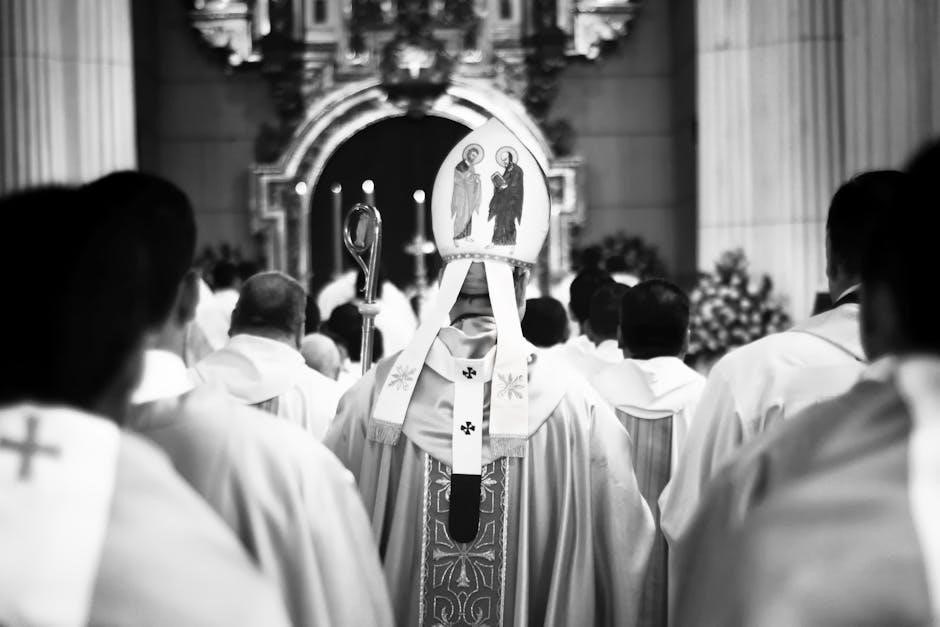
The Rite of Acceptance formally initiates individuals into the RCIA process, signifying their intention to pursue full Catholic initiation. Detailed instructions and the liturgical text for this rite are readily available in comprehensive PDF guides published by dioceses and Catholic organizations. These PDF resources outline the ceremony, which typically involves the candidate’s name being inscribed in the Book of the Elect, a welcoming by the parish community, and the blessing of the candidate by the priest or bishop.
This rite isn’t baptism itself, but a public declaration of the candidate’s desire for faith formation. PDF versions often include suggested readings, prayers of intercession, and musical selections appropriate for the occasion. The rite concludes with a symbolic presentation of a lighted candle, representing the light of Christ illuminating their path. Understanding the nuances of this initial step is crucial for all involved, and the accessible PDF documents serve as invaluable tools for parishes and candidates alike, ensuring a reverent and meaningful experience.
Rite of Sending for Election
The Rite of Sending for Election marks a pivotal moment in the RCIA process, preparing candidates for their formal request to receive the sacraments of initiation. Detailed guides, often available as downloadable PDF documents from diocesan websites, meticulously outline the ceremony’s components. These PDF resources explain how the parish community formally acknowledges the candidates’ readiness and sends them forward to the bishop for election.
This rite typically involves a presentation of the candidates to the bishop, who then affirms their suitability for initiation. The PDF guides emphasize the importance of prayers offered for the candidates during this time, seeking God’s guidance and blessing. The bishop’s acceptance signifies their official inclusion among those who will be baptized, confirmed, and receive Eucharist at the Easter Vigil. Accessing these PDF documents ensures parishes conduct the rite with fidelity to Church tradition, fostering a profound spiritual experience for both candidates and the congregation.
Scrutinies
Scrutinies represent a deeply penitential and illuminating phase within the RCIA, utilizing specific rites to uncover and address any remaining obstacles hindering a candidate’s faith journey. Comprehensive PDF guides, often provided by dioceses, detail these rites, emphasizing their purpose: to strengthen faith and discern God’s call. These PDF resources explain the three scrutinies, celebrated on the Third, Fourth, and Fifth Sundays of Lent.


Each scrutiny involves the proclamation of a scripture passage, followed by a solemn intercession for the elect, and concludes with a dismissal of the unbaptized. PDF documents highlight the symbolic significance of these elements, fostering conversion and purification. They also provide guidance for parish leaders facilitating the scrutinies, ensuring sensitivity and reverence. Accessing these PDF guides is crucial for proper implementation, allowing parishes to support the elect’s spiritual growth and prepare them for the Easter sacraments, deepening their understanding of faith.
Presentation of the Creed
The Presentation of the Creed is a pivotal moment in the RCIA process, signifying the elect’s acceptance of core Catholic beliefs. Detailed PDF resources, often available from diocesan liturgical commissions, outline the ceremony’s significance and proper execution. These PDF guides emphasize that the Creed isn’t merely a recitation, but a public profession of faith, a declaration of belief in the Holy Trinity and the teachings of the Church.
Prior to the presentation, candidates undergo thorough instruction, as detailed in RCIA PDF materials, ensuring they understand the Creed’s content. The rite itself involves the bishop (or his delegate) presenting the Creed to the elect, who then affirm their belief. PDF documents also clarify the importance of the elect receiving a copy of the Creed as a lasting reminder of their commitment. This act solidifies their integration into the Catholic community, marking a significant step towards full communion, and is thoroughly explained in available resources.

The RCIA and Returning Catholics
RCIA welcomes returning Catholics; PDF guides detail a streamlined process, recognizing prior baptism, focusing on reconciliation and renewed faith formation for full restoration.
Process for Previously Baptized Christians
For those previously baptized in another Christian tradition, the RCIA process differs significantly from that of the unbaptized. Instead of receiving the sacraments of initiation – Baptism, Confirmation, and Eucharist – these individuals typically undergo a period of discernment and formation focused on understanding and embracing the fullness of Catholic teaching and practice.
PDF resources dedicated to the RCIA clearly outline this adapted pathway. The emphasis shifts towards profession of faith, reception into full communion, and the Sacrament of Confirmation. A key distinction lies in the absence of Baptism; the focus is on completing their Christian initiation within the Catholic Church.
These candidates participate in the Catechumenate stage, receiving instruction, spiritual direction, and engaging in prayer. The Rite of Reception, rather than the Rite of Baptism, marks their formal entry into the Catholic Church. PDF guides provide detailed explanations of the specific rites and prayers used for previously baptized Christians, ensuring a reverent and meaningful welcome.
Differences in Rituals for Returning Catholics
Returning Catholics, those previously baptized and confirmed within the Catholic Church but who have fallen away from the faith, experience a streamlined RCIA process. Unlike initial converts or those from other denominations, their sacraments of initiation are already received, though perhaps distant in memory and practice.
PDF guides highlight that the focus shifts to reconciliation and re-engagement. The process emphasizes a period of spiritual renewal, confession of faith, and a renewed commitment to Catholic life. The Rite of Reconciliation becomes central, offering a path back to full participation in the sacraments.
While elements like the Scrutinies are generally omitted, the emphasis on formation and spiritual direction remains crucial. PDF resources detail the specific adaptations to the rites, often involving a profession of faith and a welcoming back into the community, rather than a complete initiation. This tailored approach acknowledges their prior sacramental foundation;

Resources and Documentation (PDF Focus)
PDF guides for the RCIA process, alongside official documents and translations, are readily available online, aiding parishes and individuals in implementation.
Official RCIA Documents & Translations
Essential RCIA documentation, including the official rite itself, is often accessible in PDF format from various Catholic publishers and diocesan websites. The United States Conference of Catholic Bishops (USCCB) provides key resources, frequently offering downloadable PDF versions of the Rite of Christian Initiation of Adults and related pastoral guidelines.
These documents detail the prescribed order of the rites, prayers, and readings for each stage of the process. Translations are crucial for diverse communities, and the USCCB, along with other international Catholic bodies, ensures accurate and approved translations are available. Parishes often rely on these official PDFs to ensure fidelity to the Church’s liturgical norms. Furthermore, supplemental materials, like liturgical calendars and explanations of the symbolism within the rites, are often provided as downloadable PDFs to support formation teams and catechumens alike.
Availability of RCIA PDF Guides
Numerous PDF guides supporting the RCIA process are readily available online, catering to diverse needs – from parish leaders to potential catechumens. Diocesan websites frequently host comprehensive PDF workbooks outlining each stage, including suggested readings, reflection questions, and ritual explanations. Several Catholic publishers offer downloadable PDF versions of their RCIA manuals, often with accompanying leader guides and supplemental materials.
These PDF resources simplify implementation, providing a structured framework for inquiry, catechesis, and spiritual formation. Searching online for “RCIA guide PDF” yields a wealth of options, though verifying the source’s authenticity and alignment with official Church teachings is crucial. Many parishes also create custom PDF handouts for specific sessions, enhancing the learning experience and ensuring accessibility for all participants.