layers of the atmosphere worksheet answers pdf
This PDF offers ready‑made answers for the atmospheric‑layers worksheets‚ letting students verify their work instantly. It covers troposphere to exosphere‚ altitude ranges‚ and gas composition. Use it as a quick reference or teaching aid for accurate‚ engaging learning.
Download PDF for quick grading!!!.
Purpose of Worksheets
The purpose of the worksheets is to provide students with a structured‚ interactive way to learn about the Earth’s atmospheric system. By presenting clear background information‚ guided practice questions‚ and an answer key‚ the worksheets help learners grasp the vertical organization of the atmosphere‚ the varying physical conditions at different heights‚ and the chemical makeup of the gases that make up each zone. The downloadable PDF format allows teachers to quickly distribute the material‚ while the answer key supports immediate feedback and self‑assessment. Students can use the worksheets to reinforce concepts‚ identify common misconceptions‚ and develop critical thinking skills as they compare theoretical knowledge with real‑world data. The worksheets also serve as a resource for formative assessment‚ enabling educators to track progress and tailor instruction to individual learning needs. Overall‚ the worksheets aim to foster a deeper understanding of atmospheric science and to motivate students to explore further topics in Earth science. These worksheets align with key science standards‚ reinforcing concepts such as the atmosphere’s role in climate regulation‚ energy transport‚ and surface interactions. Engaging students with hands‑on tasks—labeling diagrams‚ matching gas compositions‚ and calculating temperatures—builds spatial reasoning and data interpretation skills. The answer key explains reasoning‚ allowing teachers to address misconceptions promptly. The PDF format supports easy printing‚ digital sharing‚ and integration into classroom or online settings. Teachers can adapt the worksheets for differentiated instruction‚ using the answer key to create extensions for advanced learners or remediation for those needing additional support. Ultimately‚ the worksheets promote inquiry‚ critical analysis‚ and a deeper appreciation for Earth’s atmospheric complexity. Students gain confidenceand wow
Target Audience
Students worksheets develop as they match altitude ranges to atmospheric layers and calculate temperature gradients‚ interpreting each layer’s protective role; The answer key offers solutions‚ learning and helping teachers spot common misconceptions. Because the worksheets are as PDF‚ they can be printed or shared for learning. The language makes the material accessible to learners with backgrounds‚ ensuring that everyone can grasp the concepts of atmospheric science!!!!
Atmospheric Layers Overview
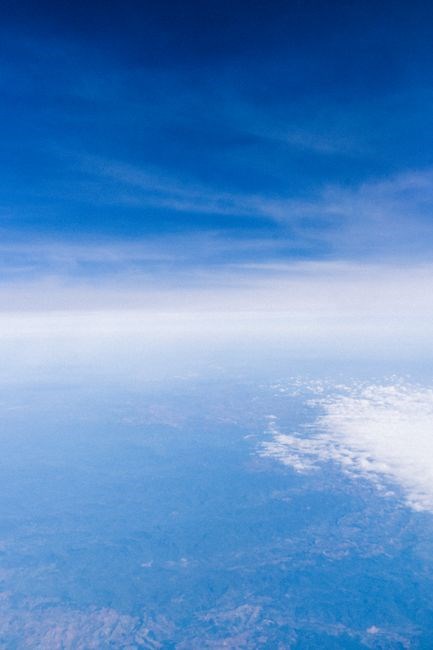
The PDF answer key outlines each atmospheric layer—troposphere‚ stratosphere‚ mesosphere‚ thermosphere‚ exosphere—detailing altitude‚ temperature‚ and gas composition. It serves as a quick reference for students to confirm their worksheet solutions and deepen understanding of Earth’s protective envelope.!!!??
Troposphere
The troposphere
is the lowest layer of Earth’satmosphere extending from the surface to about 8–15 km. It contains 75 % of the atmospheric massand is where weatheroccurs. Temperature generally decreases with altitude at an average lapse rate of 6.5 °C per kilometer‚ but inversion layers can locally reverse this trend. The air is dense‚ with pressure dropping from about 1013 hPa at sea level to roughly 200 hPa near the top. Composition is dominated by nitrogen (≈78 %) and oxygen (≈21 %)‚ with trace gases such as argon‚ carbon dioxide‚ and water vapor. The troposphere’s vertical structure is divided into the planetary boundary layer‚ the mixed layer‚ and the free troposphere‚ each with distinct turbulence and mixing characteristics. Understanding its dynamics is essential for meteorology‚ aviation‚ and climate science.
Study informs climate models and guides policy worldwide.
Stratosphere
The stratosphere lies above the troposphere‚ extending from roughly 15 km to 50 km altitude. It is characterized by a temperature inversion: as altitude increases‚ temperature rises from about 0 °C near the lower boundary to 10–20 °C near the top. This warming is primarily due to absorption of ultraviolet radiation by the ozone layer‚ which resides in the mid‑stratosphere (approximately 20–30 km). The stratosphere contains about 5 % of the atmospheric mass and is much less turbulent than the troposphere‚ resulting in stable air layers that inhibit vertical mixing. Its composition mirrors that of the lower atmosphere—nitrogen (~78 %) and oxygen (~21 %)—but with a higher concentration of ozone (O₃) and trace gases such as water vapor‚ carbon dioxide‚ and argon. The ozone layer plays a critical role in protecting life by absorbing harmful UV‑B and UV‑C rays. This layer also contains the noctilucent clouds‚visible at high latitudes during twilight
In addition to its role in UV absorption‚ the stratosphere acts as a barrier that separates the troposphere from the mesosphere. The tropopause‚ a sharp temperature gradient‚ limits the upward transport of moisture and pollutants. The polar vortex‚ a large‑scale cyclonic circulation that forms over the poles during winter‚ can trap pollutants‚ leading to phenomena such as the “ozone hole.” Satellite observations and radiosonde data are essential tools for monitoring stratospheric temperature‚ ozone concentration‚ and wind patterns. Recent studies indicate that stratospheric warming trends‚ driven by both natural variability and anthropogenic forcing‚ can influence surface climate by altering the strength and position of the jet streams. These dynamics affect aviation routes and satellite orbits
Educational worksheets often ask students to identify the stratosphere’s altitude range‚ explain the temperature inversion‚ and describe the importance of the ozone layer. Accurate answers to these questions reinforce key concepts in atmospheric science and help students apply knowledge to real‑world environmental issues
Mesosphere
The mesosphere‚ spanning roughly 50 km to 85 km above Earth‚ is the third atmospheric layer. It is marked by a continuous temperature decline‚ dropping from about 0 °C at the top of the stratosphere to –90 °C near its upper boundary. This cooling trend is due to the sparse air density‚ which limits the absorption of solar radiation and enhances radiative cooling to space. The mesosphere contains only about 1 % of the atmospheric mass‚ yet it plays a vital role in atmospheric chemistry and dynamics.
Key features of the mesosphere include noctilucent clouds‚ the highest clouds in the atmosphere‚ forming at altitudes of 80–85 km during summer months when temperatures are low. These clouds are composed of ice crystals and are visible during twilight. The mesosphere hosts the mesopause‚ the coldest region of Earth’s atmosphere‚ and serves as the boundary where meteoroids burn up‚ creating the familiar “shooting stars.”
Students often explore the mesosphere’s temperature profile‚ the formation of noctilucent clouds‚ and the role of gravity waves in atmospheric modeling. Accurate worksheet answers should note the altitude range (50–85 km)‚ the temperature trend‚ and the significance of meteor ablation. Additionally‚ the mesosphere’s thin composition—primarily nitrogen and oxygen—means it is largely transparent to visible light‚ allowing space‑borne instruments to observe atmospheric phenomena with minimal interference. Students examine how gravity waves shape weather and how meteoroid ablation alters atmospheric chemistry daily patterns (see PDF)
Thermosphere
The thermosphere‚ extending from about 85 km to 600 km above Earth‚ is the fourth atmospheric layer. It is characterized by a dramatic rise in temperature with altitude‚ reaching up to 2‚500 °C or higher near the upper boundary. This heating occurs as sparse air absorbs solar ultraviolet and X‑ray radiation‚ creating a highly ionized region called the ionosphere. The ionosphere reflects and refracts high‑frequency radio signals‚ enabling long‑range communication.
Key features of the thermosphere include the auroras—northern and southern lights—generated when charged particles from the solar wind collide with atmospheric constituents‚ exciting electrons that release visible light upon returning to lower energy states. The temperature gradient in this layer is influenced by solar activity; during solar maxima‚ temperatures rise‚ while during minima they fall.
Student should note the thermosphere’s altitude range (85–600 km)‚ its role in the ionosphere‚ the mechanisms behind auroras‚ and the impact of solar radiation on satellite drag. The worksheet answers emphasize the importance of ionization‚ radio wave propagation‚ and the dynamic interaction between solar wind and Earth’s magnetic field. Accurate responses also highlight how the thermosphere’s thin composition—primarily atomic oxygen and nitrogen—affects atmospheric drag and communication systems‚ making it a critical region for space‑based technologies Use these answers for quick review. They help reinforce concepts and support assessment. Great learning.

Exosphere
The exosphere marks the outermost boundary of Earth’s atmosphere‚ beginning around 600 km and extending to roughly 10‚000 km where atmospheric particles gradually transition into interplanetary space. In this region‚ the density is so low that individual molecules travel long distances before colliding‚ allowing them to escape Earth’s gravitational pull if their velocities exceed the escape velocity of about 11.2 km/s. The primary constituents are atomic oxygen‚ hydrogen‚ and helium‚ with trace amounts of nitrogen and other gases. Because of the minimal collision frequency‚ the exosphere does not exhibit a well‑defined temperature; instead‚ the kinetic energy of particles varies with solar activity and geomagnetic conditions. Satellites orbiting within the exosphere experience atmospheric drag that diminishes with altitude‚ yet the residual gas can still perturb orbital trajectories‚ necessitating precise modeling for mission planning. The exosphere’s interaction with the solar wind shapes the magnetosphere‚ influencing auroral displays and space‑weather phenomena. Understanding this layer is essential for accurate satellite orbit determination‚ communication link budgeting‚ and predicting atmospheric escape processes that affect planetary evolution. evolution. PStudents can use these answers to cross‑check their worksheet solutions‚ ensuring a solid grasp of the exosphere’s role in space science and satellite operations. The exosphere’s thin‚ high‑altitude environment influences atmospheric escape contributing to Earth’s long‑term for evolution!
Worksheet Components

The PDF provides concise answer keys for each worksheet section: a brief background overview‚ a set of practice questions covering troposphere to exosphere‚ and a detailed answer key that students can use for self‑assessment. Each part is clearly labeled and easy to reference. Use it to verify accuracy. now!
Background Information Section
The PDF answer key’s background section offers a clear‚ concise overview of Earth’s atmospheric layers‚ setting the stage for deeper exploration. It begins by defining the troposphere‚ the lowest layer where weather phenomena unfold‚ extending from the surface to roughly 8–16 km depending on latitude. The text explains how temperature decreases with altitude in this zone‚ the role of convection‚ and the typical dry‑air composition of 78 % nitrogen‚ 21 % oxygen‚ with trace gases. Next‚ the stratosphere is described‚ spanning about 16–50 km‚ where the ozone layer absorbs harmful ultraviolet radiation and temperatures rise. The mesosphere follows‚ from 50–80 km‚ noted for its cooling trend and the appearance of noctilucent clouds. The thermosphere‚ extending from 80–600 km‚ is highlighted for its high temperatures driven by solar radiation and its sparse‚ ionized gases. Finally‚ the exosphere‚ beyond 600 km‚ is presented as the transition to space‚ where atmospheric particles can escape into orbit. The section also discusses the vertical density gradient‚ the rapid pressure drop with altitude‚ and the importance of each layer for weather‚ climate‚ and human technology such as satellites and aviation. By providing these key facts‚ the background equips students with the essential context needed to tackle the practice questions that follow‚ ensuring they understand the structural and compositional differences that define each atmospheric layer.
Practice Questions Section
Here are targeted questions that test students’ understanding of the atmospheric layers. Each question is paired with a concise answer in the PDF key‚ enabling quick self‑assessment. Students can identify the troposphere’s weather‑producing role‚ the stratosphere’s ozone shield‚ the mesosphere’s cooling trend‚ the thermosphere’s ionized gases‚ and the exosphere’s escape boundary. The questions cover altitude ranges‚ temperature gradients‚ and gas composition. By solving these problems‚ learners reinforce concepts such as the vertical density gradient‚ pressure decrease‚ and the importance of each layer for aviation‚ satellite operations‚ and climate science. The PDF answer key provides the correct responses‚ allowing teachers to verify student work efficiently and to highlight common misconceptions. Use this section to review before exams or to create group discussions about atmospheric science.
- Identify the troposphere’s altitude range and typical weather patterns.
- Explain the ozone layer’s role in the stratosphere and its protective function.
- Describe the temperature inversion in the mesosphere and its effect on noctilucent clouds.
- Discuss ionization processes in the thermosphere and their impact on satellite communication.
- Define the exosphere’s boundary and explain why atmospheric particles can escape into space.

These questions encourage critical thinking and reinforce key terminology‚ ensuring students can confidently discuss atmospheric science in class and beyond today. now!!
Answer Key Section
The answer key provides concise‚ authoritative responses for each practice question‚ enabling instant verification and reinforcing core concepts. Each answer is formatted for clarity‚ with key facts highlighted for quick reference.
- Troposphere: 0–12 km above sea level; temperature falls ~6.5 °C/km; composed mainly of N₂ (78 %) and O₂ (21 %).
- Stratosphere: 12–50 km; ozone layer (O₃) absorbs UV radiation; temperature rises ~1 °C/km.
- Mesosphere: 50–80 km; temperature drops to ~–90 °C; dominated by N₂ and O₂‚ with trace CO₂ and Ar.
- Thermosphere: 80–600 km; ionized gases (O⁺‚ N₂⁺); temperatures can reach 2‚000 °C‚ but air density is low.
- Exosphere: 600–10‚000 km; transition to space; particles can escape Earth’s gravity; mainly H and He.
Teachers can use this key to discuss atmospheric dynamics‚ the role of each layer in weather and climate‚ and the importance of ozone protection. The PDF format allows easy printing and distribution for classroom use.
When teachers distribute the PDF‚ students fast can immediately compare their answers to the key‚ fostering self‑assessment and peer discussion. Highlighting the temperature trends and gas percentages helps solidify the link between altitude and composition. The key also serves as a reference for grading‚ ensuring consistent evaluation across classes.
Students may also use the key to create flashcards or quiz apps‚ turning review into interactive learning today.
Instructors can customize the key by highlighting concepts‚ ensuring alignment with curriculum standards;!!